
The Power of Synergy Integrating Design and Engineering for Better Outcomes
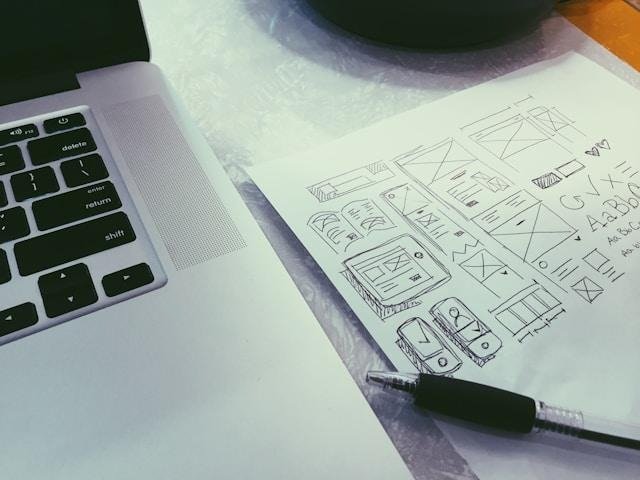
In the traditional software world, design and development often existed in separate spheres. Designers would spend weeks crafting pixel-perfect mockups, only to hand them over to developers who would then struggle to implement them due to technical constraints.
This “over-the-wall” approach is not only inefficient but often leads to a compromised final product. Today, the most successful tech companies have moved toward a highly integrated model where product design and development happen in parallel, fostering a culture of constant collaboration and shared responsibility.
Breaking Down Silos for Faster Time-to-Market
The primary benefit of integrating design and engineering from day one is the significant reduction in rework. When developers are involved in the design phase, they can provide immediate feedback on the technical feasibility of certain features. This prevents the design team from spending time on ideas that are either too costly to build or technically impossible within the given timeframe. Conversely, when designers stay involved during the coding phase, they can ensure that the final implementation stays true to the user experience vision.
This synergy is best achieved through cross-functional teams that share common goals. Instead of measuring success by the completion of individual tasks, these teams are measured by the overall quality and performance of the product. This shared ownership encourages proactive problem-solving. If a developer finds a more efficient way to implement a feature that also improves the user experience, they have the autonomy to discuss and implement it immediately, rather than waiting for a formal change request.
The Role of Prototyping in Validating Complexity
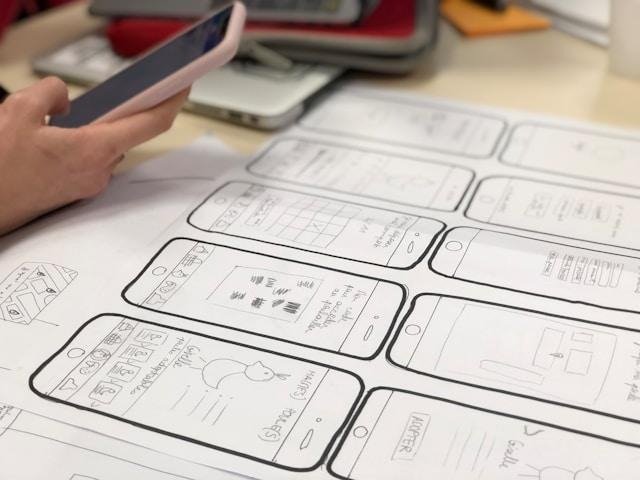
A key element of an integrated process is the use of functional prototypes. Unlike static mockups, these prototypes allow stakeholders and users to interact with the core logic of the product. This is where the true value of professional design and engineering services becomes apparent. By building a “thin slice” of the product that actually works, the team can identify architectural bottlenecks and usability issues early on. This approach follows the Lean principle of eliminating waste—it is much cheaper to change a prototype than to rewrite thousands of lines of production code.
This phase also serves as a crucial alignment tool for stakeholders. Seeing a working prototype provides a much clearer understanding of the product’s potential than any slide deck or requirement document ever could. It allows for high-level strategic conversations about the product’s direction, based on evidence rather than assumptions. By the time the team moves into full-scale development, they have a validated roadmap and a clear technical path forward.
Building a Sustainable Product Ecosystem
Ultimately, the goal of integrating these two disciplines is to create a product that is not only beautiful and functional but also maintainable and scalable. A well-designed product that is poorly coded will eventually collapse under the weight of its own technical debt. Similarly, a technically perfect product with a poor interface will fail to gain user traction. By treating these two aspects as inseparable parts of a whole, organizations can build digital ecosystems that provide lasting value to users and a solid return on investment for the business.